Tutorial
Learn how to Stake XRP safely. Explore XRP staking platforms, rewards, risks, and how to earn yield on XRP with a clear step-by-step guide.

Many XRP holders want to put their idle tokens to work, but the first step in learning how to stake XRP is understanding that the XRP Ledger does not use Proof of Stake. The network lacks native staking, delegating to validators, and an on-chain reward mechanism. Instead, people earn yield on XRP through platforms, sidechains, or products built around the broader ecosystem.
Even with this difference, you can earn rewards on XRP through reputable platforms with strong backend operations, though security always depends on each provider’s practices and risk controls. This XRP staking guide explains how the ledger works, why staking looks different here, and how to stake XRP safely through vetted systems.
What Is XRP and the XRP Ledger?
XRP is the native asset of the XRP Ledger (XRPL), a fast, low-fee blockchain used for global payments. The ledger is designed for speed and predictable costs, making it popular for cross-border settlements, liquidity routing, and institutional transfers.
How XRPL Consensus Works
The XRP Ledger utilizes a Unique Node List (UNL) system, which is neither mining nor staking. Validators maintain a list of trusted nodes. A supermajority must agree for transactions to be confirmed. This achieves quick finality without relying on token-based voting, block rewards, or validator slashing.
Since the XRPL does not support staking, users cannot delegate XRP to validators. Validators operate for network reliability and do not receive protocol-level rewards from the XRPL itself. This is a major difference from Proof-of-Stake chains.
Validators and Nodes at a High Level
XRPL validators:
Confirm transactions
Maintain ledger integrity
Follow consensus rules
They do not receive staking rewards, and they do not hold user-delegated XRP. Any platform offering ‘staking returns’ operates outside the XRPL base layer, typically through lending, liquidity mechanisms, wrapped-asset systems, or sidechain reward contracts.
Why Stake XRP?
Even without native staking, many users still choose to stake XRP in a broader sense. Platforms offer reward models that function similarly to staking, allowing holders to earn yield or rewards while maintaining exposure to XRP, subject to each platform’s terms and risk profile.
Earn XRP Staking Rewards on Idle Holdings
Since the ledger does not pay rewards, staking-style payouts come from:
Platform lending
Liquidity pools
Sidechain reward systems
Structured earning products
These systems generate XRP staking rewards similar to staking yields on other networks, but exist off-ledger.
Support the Broader XRP Network
When you participate in staking-style programs, you may be supporting liquidity systems, wrapped-asset networks, or sidechains, depending on the platform’s model, although this varies across providers.
Work With Reliable Infrastructure Partners
Security is critical because staking is platform-based, not protocol-based. Platforms that partner with infrastructure providers such as Imperator can benefit from stronger uptime, reliable nodes, and hardened infrastructure. This depends on the specific partnership.
Stronger uptime
Reliable backend nodes
Hardened infrastructure
Lower risk of system interruptions
As of the latest publicly available validator list, Imperator operates a mainnet validator on the XRPL EVM Sidechain.
115,344 clients stake with Imperator.co
115,344 clients stake with Imperator.co
Start staking with Imperator and maximize your rewards.
How to Stake XRP (Step-by-Step Guide)
Here is the complete process for earning staking-style rewards on XRP through secure platforms and services.
1. Set Up an XRP Wallet
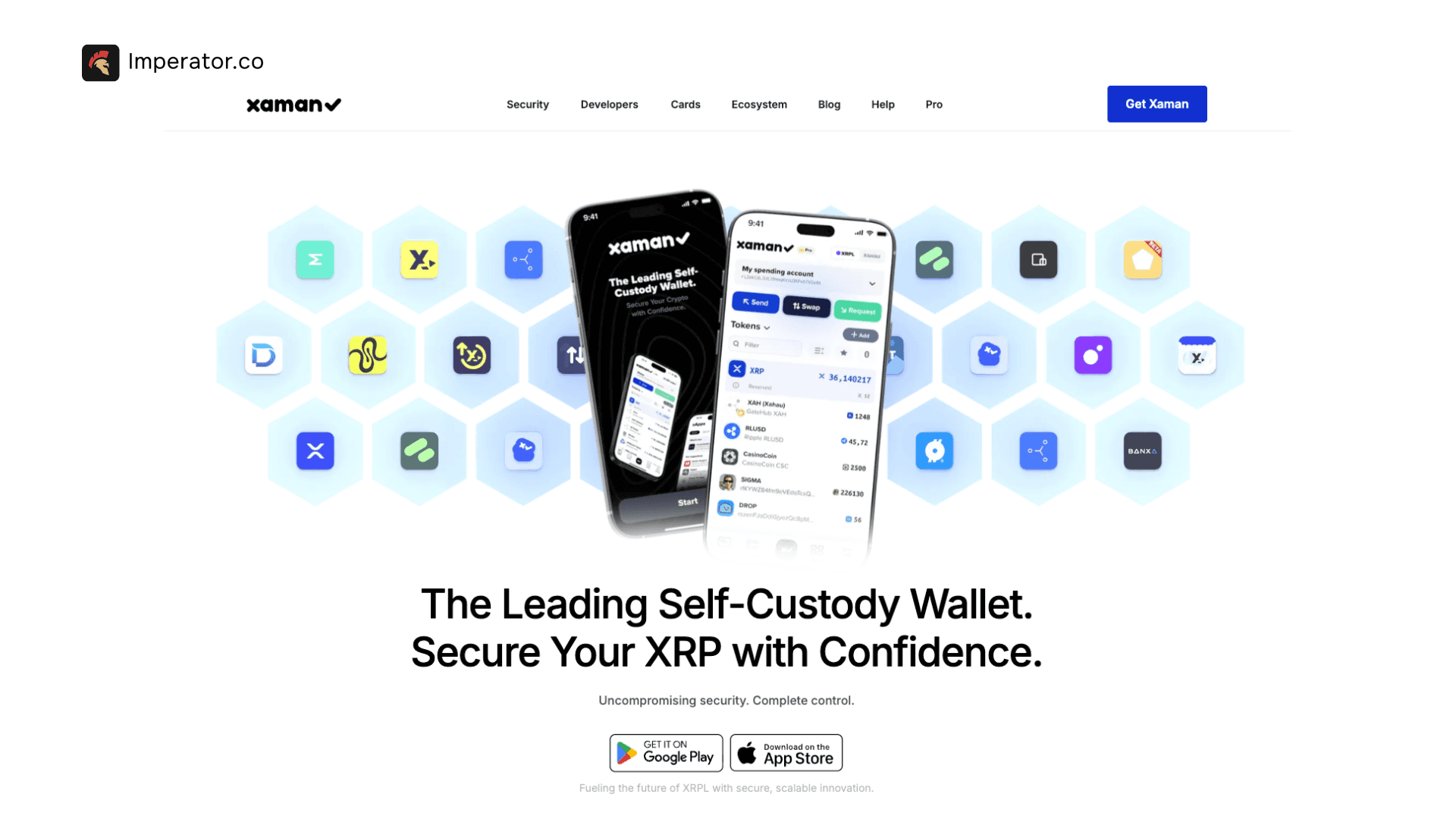
Begin by setting up a secure XRP wallet. Wallets such as Xaman, Ledger, or platform-integrated wallets allow you to send, receive, and store XRP. This wallet will hold your funds before and after staking.
2. Select a Trusted XRP Staking Platform
Since the XRP Ledger does not support native staking, you must use an XRP staking platform that offers yield. These generally fall into three categories:
Centralized earning platforms
DeFi protocols that support wrapped XRP
XRP sidechains or networks that provide validator-style incentives
Some platforms rely on infrastructure partners like Imperator to deliver stable backend operations, reliable nodes, and validator-grade engineering, including on the XRPL EVM Sidechain, where Imperator now serves as a mainnet validator. This can reduce downtime, improve performance, and help maintain smooth reward distribution, depending on platform implementation.
When choosing where to stake, look for platforms that are transparent, secure, and supported by reputable infrastructure operators.
Firelight as a Modern DeFi Staking Option for XRP
One of the newest additions in this space is Firelight, a protocol built on the Flare network. It allows XRP holders to bridge their tokens to Flare via FXRP, stake them through Firelight, and receive a liquid staking token called stXRP in return. stXRP can be traded, moved, or used in DeFi while your wrapped XRP is held in Firelight’s vaults, with rewards scheduled to accrue as Firelight’s staking and cover mechanisms go fully live.
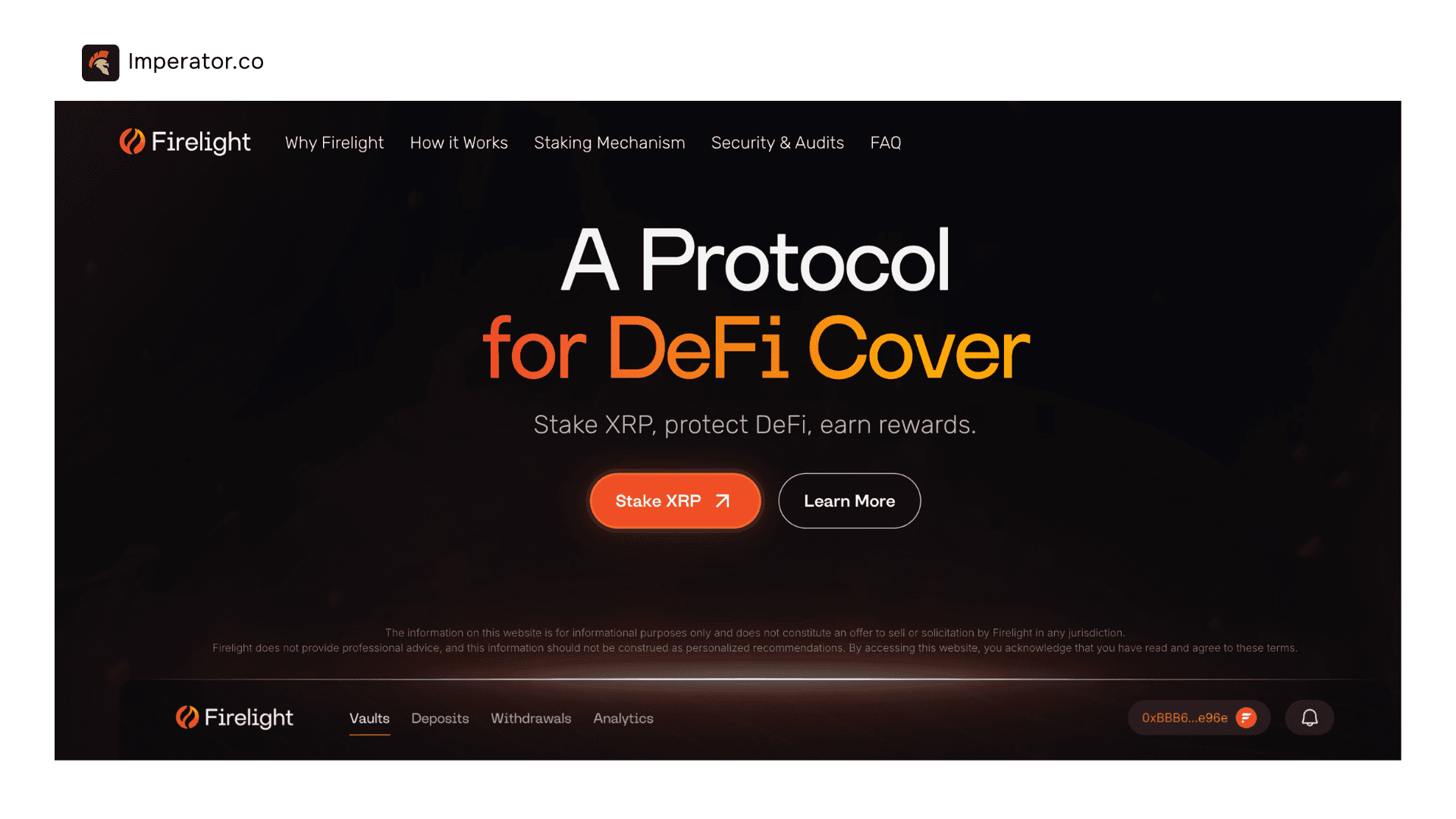
According to Firelight’s published design, its reward model is intended to be tied to its coverage and insurance layer, where pooled assets back risk protection for other protocols. Because rewards are designed to stem from genuine demand for on-chain coverage rather than pure token inflation, selecting platforms with powerful infrastructure partners and audited code becomes particularly crucial.
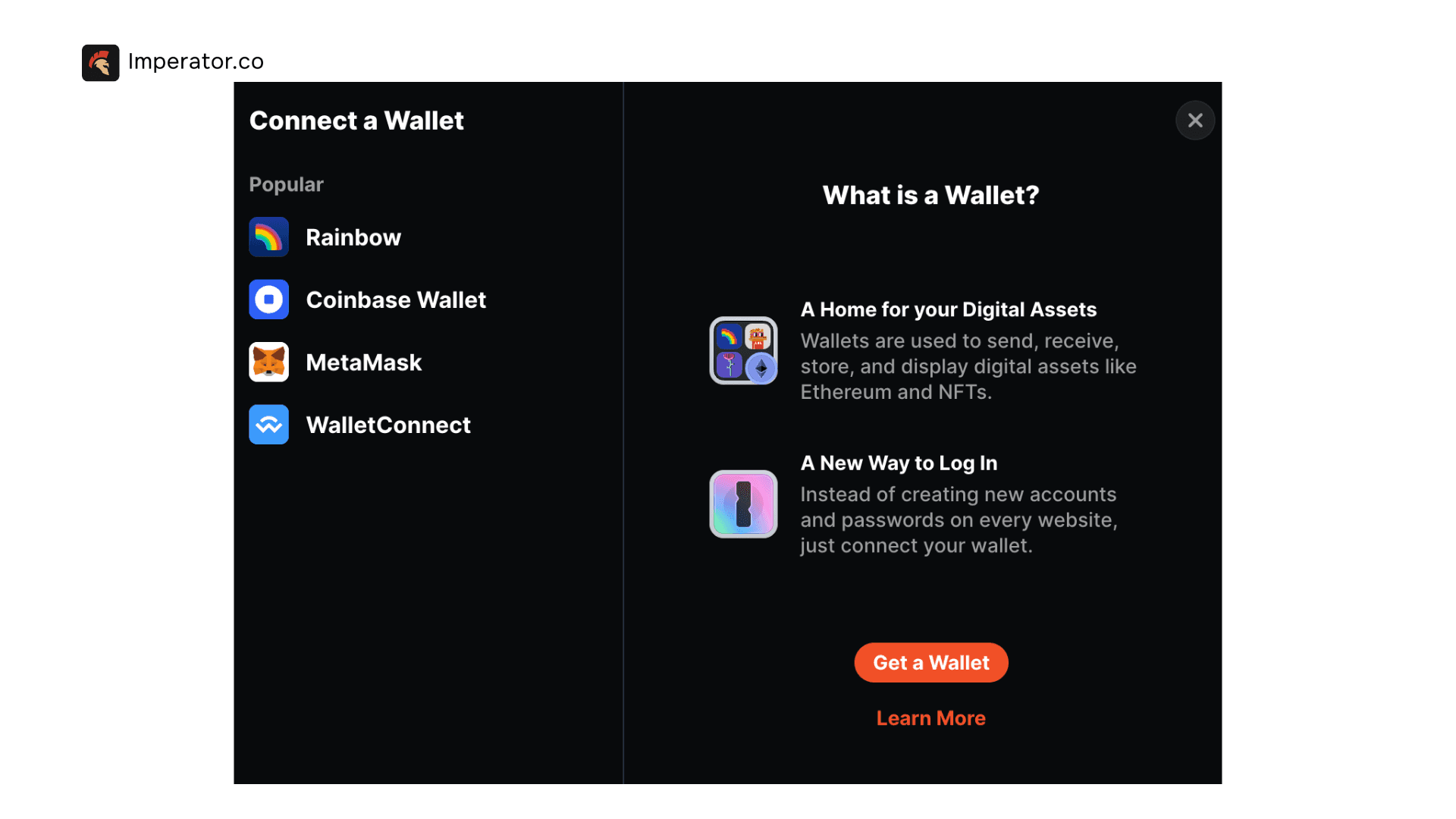
3. Transfer XRP to the Platform
Move XRP from your wallet to the platform using the provided deposit address and destination tag. Tags are important on XRPL because they route payments to the correct internal account.
4. Choose a Staking or Yield Option
Platforms offer several ways to earn rewards on XRP, such as:
Fixed-term lock-ups
Flexible yield
Lending pools
Sidechain participation
Review each option’s reward model, lock period, and risk profile.
5. Confirm Your Commitment
After selecting a plan, confirm the amount you are committing. This step is similar to delegating XRP, even though delegation is platform-specific. The platform will show:
Lock-in time
Expected rewards
Payout schedule
Infrastructure notes
Minimum withdrawal rules
6. Track Your Position
Once you stake, you can monitor:
Reward accumulation
APR changes
Platform performance
Infrastructure uptime
Platforms that work with infrastructure providers such as Imperator can benefit from stable backend performance, depending on how each platform is built and managed.
7. Unstake or Withdraw When Ready
To exit:
End your staking period
Wait for any unlock window
Transfer XRP back to your personal wallet
Because staking is not native to the XRPL, there is no protocol-level unbonding period. Unlock times depend solely on the platform you are using.
Understanding Rewards and Platform Risk
Unlike Proof-of-Stake chains, the XRPL does not pay validator-driven rewards. Instead, returns come from platform use cases such as:
Lending revenue
Liquidity operations
Reward pools
Sidechain validation programs
This means choosing a platform backed by robust infrastructure reduces risk. Operators like Imperator can support more stable environments by providing reliable nodes and validation tools.
Risk varies across platforms, so rewards should be balanced with security, track record, and uptime.
XRP Staking: Bringing It All Together
Learning how to stake XRP begins with understanding that the XRP Ledger does not support native staking. Even so, staking-style rewards are possible through secure platforms that build around the XRP network.
By using a reliable XRP wallet, selecting trusted XRP staking platforms, and working with partners supported by strong infrastructure providers like Imperator, you can earn rewards on XRP safely while supporting a broader ecosystem built on top of the XRP Ledger. Staking XRP may look different, but with the right guidance, it becomes an accessible way to put your holdings to work.





Discover all our Staking Opportunities
Acces over 50+ protocols to maximize your staking returns
FAQs
1. What is XRP staking?
XRP staking refers to platform-based systems that let users lock XRP and earn rewards. The XRP Ledger does not support native staking.
2. How much XRP do I need to start staking?
Minimums vary by platform. The XRPL itself has no staking minimum because staking is not part of its design.
3. How do XRP staking rewards work?
Rewards come from platform activity, lending models, liquidity pools, or sidechain programs, not from XRPL validators.
4. Can I unstake XRP at any time?
This depends on the platform. Flexible programs allow quicker withdrawals, while fixed-term commitments require waiting for unlock periods.
5. Why should I choose a platform supported by Imperator?
Platforms backed by Imperator’s infrastructure can benefit from proven engineering, strong uptime targets, and professional validator-level operations, depending on how the platform implements and maintains its systems.
$0 assets under managment
$0 assets under managment
Join investors who trust Imperator to maximize their returns. Take the first step today.